
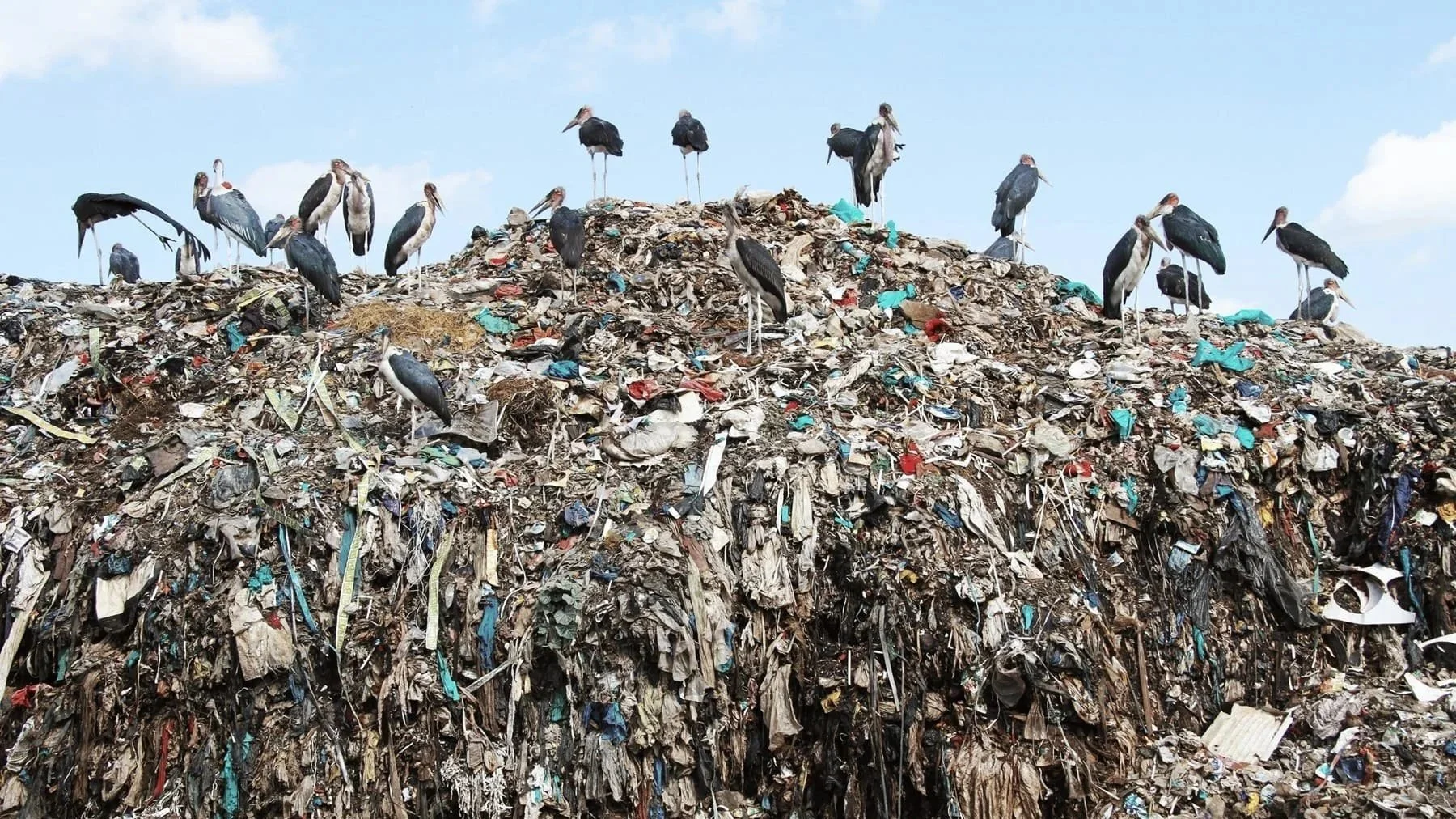
Ban on destruction of unsold products
Why is it important for fashion?
The destruction of unsold goods is a wasteful practice.
Textiles are a major part of the problem, and a key focus for action. To cut waste and reduce the sector’s environmental footprint, the European Commission is promoting more sustainable production while helping European companies stay competitive.
The Ecodesign for Sustainable Product Regulation (ESPR) is central to this effort as it will make products on the EU market more durable, reusable and recyclable, while boosting efficiency and circularity.
Background and Context
Every year, an estimated 4-9% of unsold textiles are destroyed before they are ever worn, generating around 5.6 million tonnes of CO2.
In France alone, around €630 million worth of unsold products are destroyed each year.
Online shopping also fuels the issue: in Germany, nearly 20 million returned items are discarded annually.
This rule aims to ban this wasteful practice and encourage businesses to adopt truly circular strategies.
Timeline and Key Dates
2026 - From July 19, 2026, large companies in the EU must stop destroying unsold clothing and footwear.
2027 - From February 2027, businesses are also required to report unsold stock volumes in a standardised format.
2030 - Medium sizes companies will need to comply from 2030
NOTE: Small and micro companies are generally exempt at this stage
Current Status
Instead of destruction, companies are encourages to explore sustainable alternatives such as reuse, resale, donation, remanufacturing, returns management and circular stock solutions.
Destruction is only allowed under tightly defined safety or legal exemption (I’ll explore more into this…)
Companies will need to disclose the volume of unsold and discarded volumes, including reason for disposal.
Company size is assessed on the total undertaking, not just the EU revenue or EU headcount.
That means that the UK and North America brands are classified on global employees, turnover and balance sheet.
If products are placed on the EU market, the rules apply - regardless of HQ location.
Further Reading and Official Sources
European Commission - New EU rules to stop the destruction of unsold clothes and shoes - 9 February 2026
Forbes - 20 July 2018 - No One In Fashion Is Surprised Burberry Burnt £28 Million Of Stock