
Green Claims Code
What is the Green Claims Code?
The Competition and Markets Authority (CMA) Green Claims Code is UK guidance that sets out how businesses must make environmental claims about products and services without misleading consumers.
It is based on existing UK consumer protection law, particularly the Consumer Protection from Unfair Trading Regulations 2008.
The Code explains how companies should communicate claims such as “eco-friendly”, “sustainable”, or “recycled” so that consumers receive clear, accurate and substantiated information.
The CMA has also developed sector-specific guidance for fashion retailers, which explains how the rules apply to clothing, footwear and textile products across retail, manufacturing and distribution.
The overall aim is to prevent greenwashing and ensure customers can make informed choices when purchasing fashion products.
Why is it important for fashion?
The fashion sector frequently uses environmental messaging related to:
recycled materials
organic fibres
lower-impact production
“conscious”, “responsible” or “sustainable” collectionsBecause these claims influence purchasing decisions, misleading messaging can distort the market and undermine consumer trust.
The Code is particularly relevant to fashion because:
Fashion marketing often relies on broad environmental claims (e.g., “eco-friendly”).
Supply chains are complex and difficult to trace, increasing the risk of inaccurate claims.
Consumers increasingly demand transparency about materials and environmental impact.
Retailers frequently create “sustainable edits” or collections, which may not meet clear criteria.
The CMA has already investigated major online fashion retailers and warned the sector about misleading environmental messaging.
What are the key principles of the Green Claims Code?
The Green Claims Code is based on six core principles that businesses must follow when making environmental claims:
1. Claims must be truthful and accurateBusinesses must ensure all claims reflect the real environmental impact of the product or company.
2. Claims must be clear and unambiguousAvoid vague or undefined terms such as:
“green”
“eco-friendly”
“sustainable’ unless the meaning is clearly explained.
3. Claims must not omit or hide important informationAny qualifying details should be visible, easy to understand, and close to the claim.
Customers should not have to follow links or scan QR codes to understand key information.
4. Comparisons must be fair and meaningfulIf claims compare products (e.g., “50% less water”), businesses must clearly explain:
what is being compared
the baseline or reference product
the methodology used
5. Claims must consider the full product lifecycle
Claims should not give the impression that a product is environmentally beneficial if the benefit only relates to one stage of production.
6. Claims must be substantiated with evidenceBusinesses must hold credible, up-to-date evidence before making a claim.
Evidence may include:
certification documents
supply chain data
lifecycle assessments
supplier documentation
Background and Context
The Green Claims Code was introduced in 2021 by the Competition and Markets Authority following research showing that around 40% of online environmental claims may be misleading.
The initiative forms part of wider UK and international efforts to regulate greenwashing, alongside:
the Advertising Standards Authority enforcement of advertising rules
global regulatory action on sustainability claims
emerging legislation in the EU such as the EU Green Claims Directive
In 2022, the CMA launched an investigation into environmental claims made by fashion retailers including:
ASOS
Boohoo
George at Asda
These investigations highlighted problems such as vague “eco ranges”, unclear criteria for sustainability collections, and misleading material claims.
Which companies are impacted by the Green Claims Code?
The Green Claims Code is currently active guidance, and companies must comply with existing consumer protection laws when making environmental claims.
Although the Code itself is not new legislation, regulators can take enforcement action if claims breach consumer law.
Possible consequences include:
legal enforcement by the CMA
reputational damage
consumer compensation
corrective marketing actions
The CMA has signalled that greenwashing in fashion remains a priority enforcement area.
The Green Claims Code apples to any business marketing products or services to UK consumers.
What the Green Claims Code means for fashion brands
Fashion companies must review how they communicate sustainability claims across:
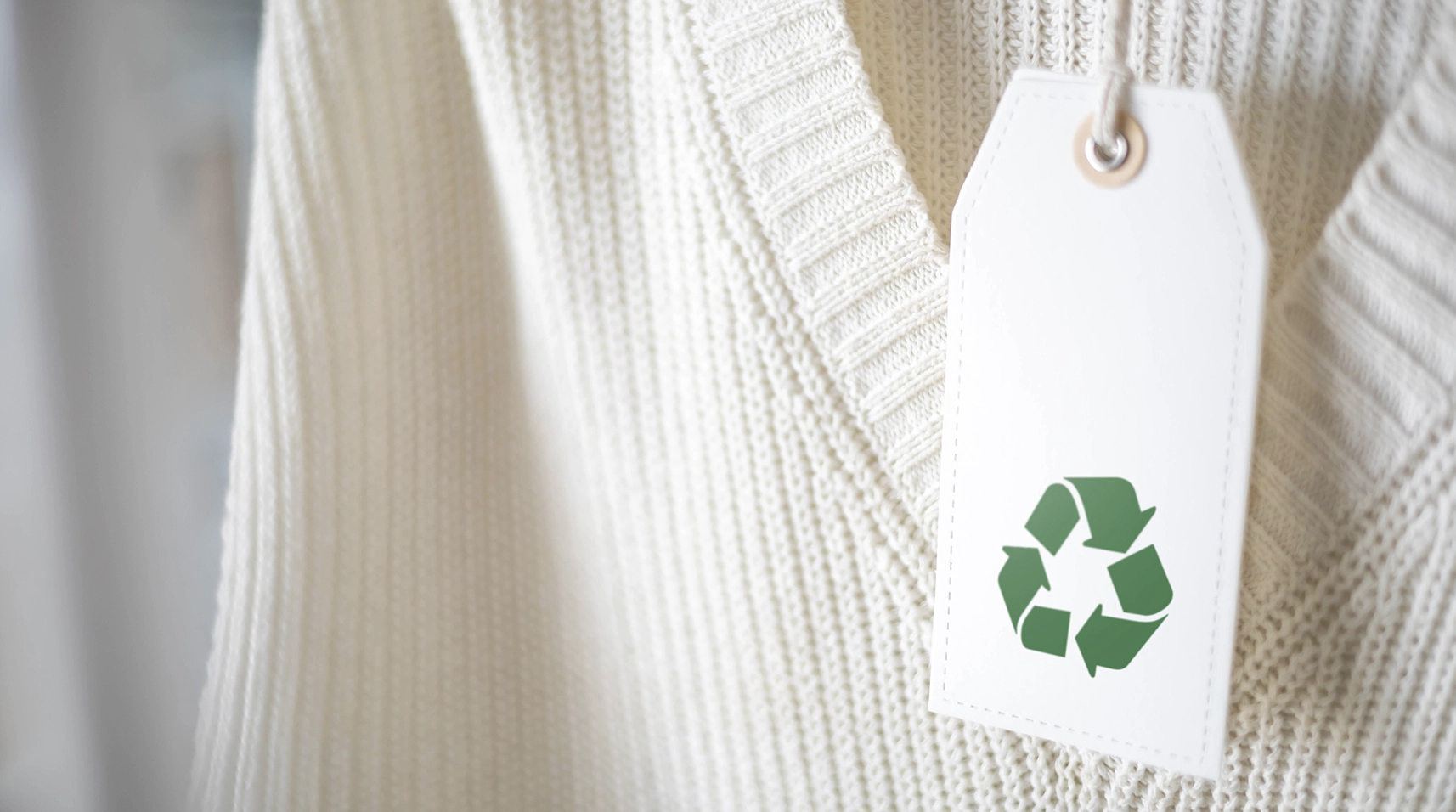
product labels and swing tags
product descriptions
marketing campaigns
website filters (e.g., “sustainable”, “recycled”)
“conscious” collections
corporate sustainability statements
Use precise language
Instead of vague claims, specify measurable attributes, such as:
“contains 50% recycled polyester”
“uses 30% less water than our previous range”
Explain collection criteria
If a brand creates a “sustainable” collection, the inclusion criteria must be clearly defined and publicly available.
Be transparent about materials
Claims such as “organic cotton” or “recycled” must reflect the actual percentage of fibres used.
Clarify lifecycle boundaries
If a claim relates only to one production stage (e.g., raw material sourcing), this must be stated clearly.
Ensure supplier verification
Brands should have systems to verify claims, including:
certification checks
supplier documentation
internal compliance processes
Timelines and key dates
2021 - The Green Claims Code was introduced by the Competition and Markets Authority
The initiative forms part of wider UK and international efforts to regulate greenwashing, alongside:
The Advertising Standards Authority enforcement of advertising rules
Global regulatory action on sustainability claims
Emerging legislation in the EU such as the EU Green Claims Directive
2022 - the CMA launched an investigation into environmental claims made by fashion retailers including: Asos, Boohoo & George at Asda.
These investigations highlighted problems such as vague “eco ranges”, unclear criteria for sustainability collections, and misleading material claims.
2023 - The CMA publishes sector-specific guidance for fashion, including a Fashion Retail Compliance Guide.
2024 - 2025 - The CMA continues enforcement activity and monitoring of green claims across UK industries.
Current Status
The Green Claims Code is currently active guidance, and companies must comply with existing consumer protection laws when making environmental claims.
Although the Code itself is not new legislation, regulators can take enforcement action if claims breach consumer law.
Possible consequences include:
legal enforcement by the CMA
reputational damage
consumer compensation
corrective marketing actions
The CMA has signalled that greenwashing in fashion remains a priority enforcement area.
Penalties can reach up to 10% of global turnover.
Further Reading and Official Sources
The Competition and Markets Authority (CMA) - Green claims in fashion: Guide to help businesses follow consumer law.
The Guardian. March 27, 2024 - Asda, Asos and Boohoo must avoid ‘greenwashing’ after crackdown
The Guardian. December 3, 2025 - Nike, Superdry and Lacoste ads banned in UK over ‘misleading’ green claims
You Tube - The Competition and Markets Authority (CMA) - The Green Claims Code
ESG Today. September 14, 2022 - H&M to Remove Sustainability Labels from Products Following Investigation by Regulator