
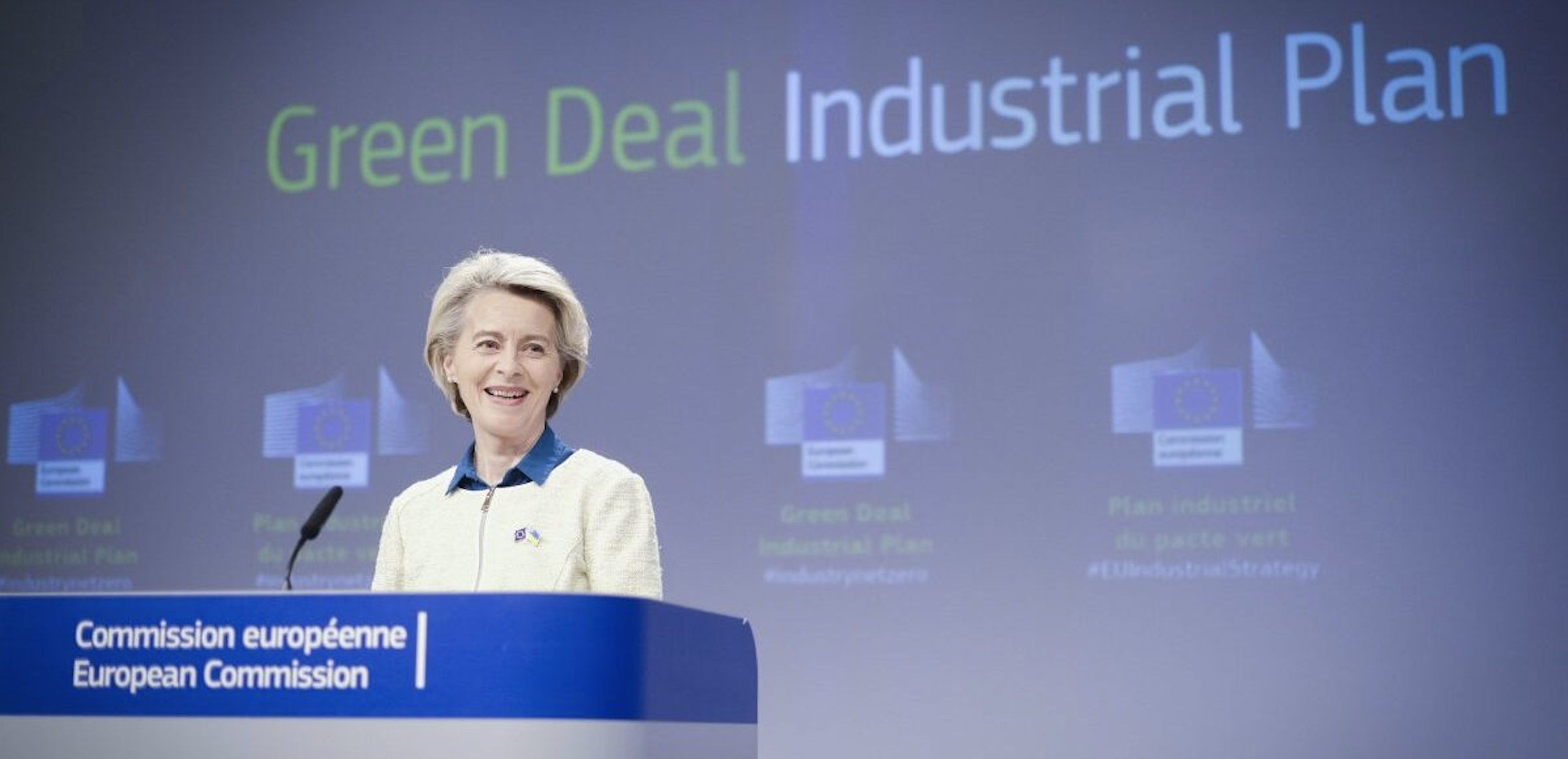
The Green Deal
What is The Green Deal?
The European Green Deal is the European Union’s overarching climate and sustainability strategy designed to transform the EU into the world’s first climate-neutral continent by 2050.
It is a comprehensive policy framework and roadmap that spans energy, industry, transport, agriculture, biodiversity, resource use and more to reduce greenhouse gas emissions, cut pollution, protect ecosystems and decouple economic growth from environmental degradation.
It integrates and builds on existing EU climate goals and policies, providing guiding strategic direction for legislation and investment linked to climate neutrality
Why is it important for fashion?
The Green Deal underpins major EU regulatory initiatives that directly affect fashion, such as sustainable product standards, circularity rules and reporting requirements for environmental performance.
It pushes for reduced resource use, better product design and extended product life, which are central to tackling environmental harm caused by textiles (water use, emissions, waste).
Through linked strategies like the Circular Economy Action Plan and Ecodesign for Sustainable Products Regulation, the Green Deal drives policies that promote durability, recyclability and reduced harmful substances in clothing.
Fashion companies are increasingly required to prepare for sustainability disclosures and supply chain transparency under Green Deal-linked rules (e.g., Corporate Reporting Directives)
Background and Context
.The Green Deal was introduced by the European Commission in December 2019 as a flagship strategy of the Commission’s mandate under President Ursula von der Leyen.
It builds on the EU’s commitments under the Paris Agreement (2015) and sets legally binding climate targets via linked legislation (like the European Climate Law).
The Deal marks a shift from isolated environmental measures to a whole-economy strategy, weaving climate, industrial, resource, energy and biodiversity policy into a single roadmap.
The policy framework is designed to influence legislation, investment and innovation across multiple sectors, including textiles.
Timeline and Key Dates
2019, December 11 - The European Green Deal is formally launched
2020, January - March – The EU Climate Law, Investment Plan and Circular Economy Action Plan proposals are introduced, laying out early implementation building blocks.
2021–2024 – Major linked legislative acts (e.g., climate law, emissions reduction targets, sustainable products policy) are adopted and enter implementation phases.
2030 – Intermediate climate and sustainability milestones – such as greenhouse gas emission reductions of at least 55 % compared to 1990 levels – are targeted under the broader Green Deal framework.
2050 – The ultimate objective: climate-neutral EU economy and society
Current Status
The Green Deal has evolved from strategy to implementation mode, with many linked laws in force or being phased in (e.g., climate targets, product sustainability legislation).
It continues to shape EU policy across sectors including energy, transport, industry, agriculture, finance and textiles, embedding sustainability and climate principles in regulation and market rules.
The EU has also developed financing frameworks like the Sustainable Europe Investment Plan and Just Transition Mechanism to mobilise public and private capital toward Green Deal goals.
Some sectors - including fashion, are now subject to new product design, reporting and lifecycle requirements driven by the Green Deal’s overarching policy direction
Further Reading and Official Sources
The European Commission - The European Green Deal - Striving to be the first climate-neutral continent